

It Was Generational Wealth
When my mother died, I started letting my hair go gray.

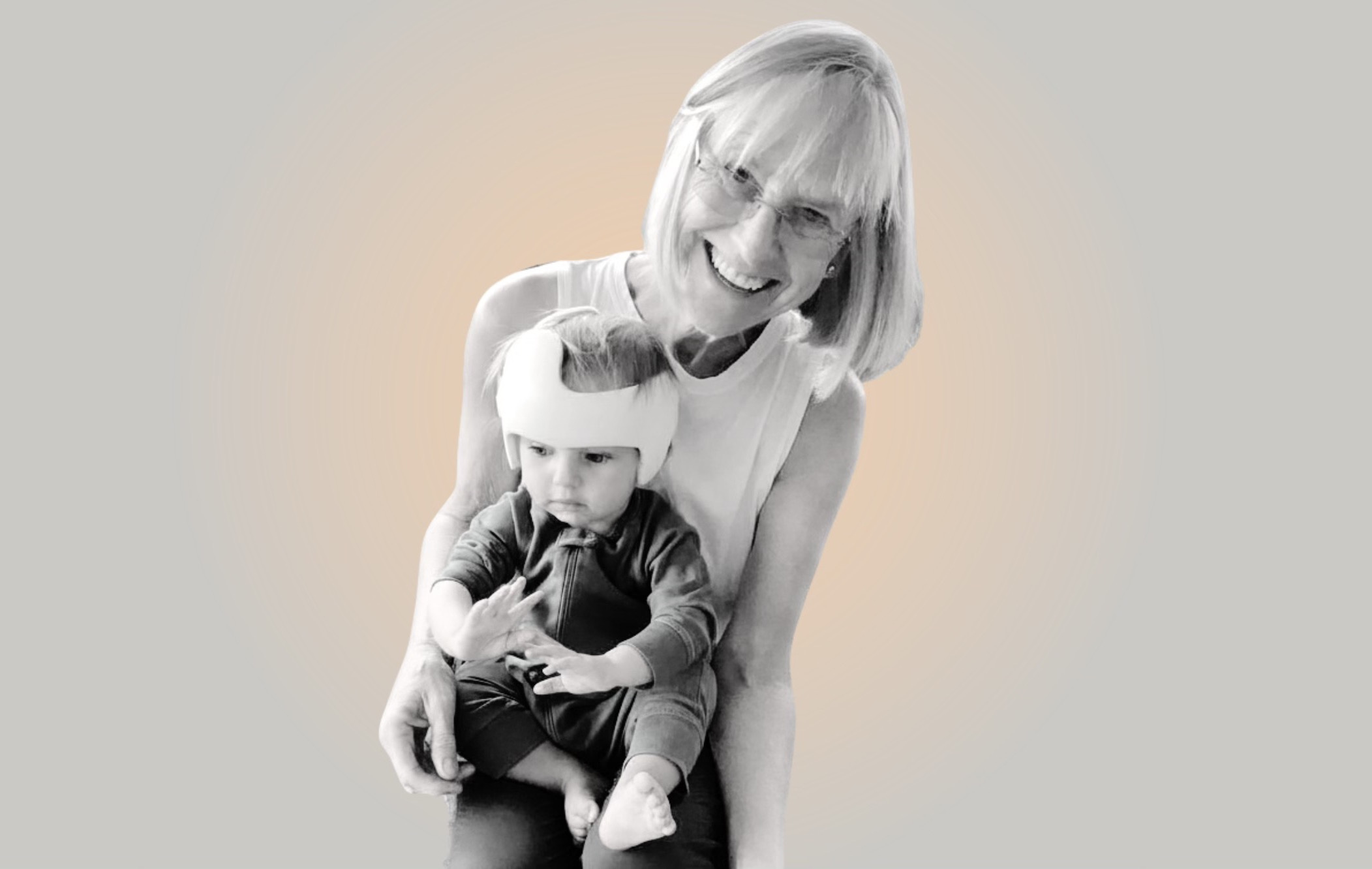
When my mother died, I started letting my hair go gray.
My mom’s relationship with aging was one of simplicity. She had gray hair for much of my adult life. She had deep wrinkles from years of sailing and exploring outdoors. I remember her religiously wearing a wide brimmed hat and slathering herself with sunscreen, but she had been through enough medical treatment in her life by the time her friends were starting a little augmentation here and there. She didn’t see the point in getting Botox or plastic surgery, which was (and is) not the norm in Los Angeles. She had already faced death too many times to care about the cracks. As she got older, she got more and more defiant about the financial cost of looking younger and more perfect, but it was a quiet defiance that shaped her own choices rather than argued with the culture.
My mom was first diagnosed with cancer when she was 17, a year after her mom died. Her father died a year later when she was 18, and she continued cancer treatment off and on until her early 20s.
She had already faced death too many times to care about the cracks.
Cancer continued to be a huge part of my life growing up. When my mom was pregnant with my younger sister, she was diagnosed with thyroid cancer, and then a couple years later she had a recurrence of Hodgkin’s Lymphoma. I remember her going through chemo when I was a child, her hair thinning and falling out. My sister and I spent a lot of time with relatives while she was going through her treatment, but she also had the gift of making life an adventure. And then one day, she was just better. Years later, I asked her if we had ever had a serious conversation about her cancer’s remission, but she said that she and my dad just wanted to move on from that nightmarish stage. I cannot imagine having two young girls and going through four years of cancer treatment all before you turned 40.
We were a family who talked about death a lot. My mom, a social worker, went on to work at the Simms/Mann UCLA Center for Integrative Oncology, where she supported patients and family members of cancer patients through their treatment process. It was common for us to read the obituaries out loud at the breakfast table, my mom commenting, That’s my client, or That’s my friend. We’d hear stories of funerals she attended, and sometimes joked that she refused to work more than three days a week because she couldn’t miss her midweek, midday gatherings around death. She went to so many memorial services.
It was common for us to read the obituaries out loud at the breakfast table, my mom commenting, That’s my client, or That’s my friend.
Which is why it wasn’t all that strange for her to sit us down a week before her surgery and tell us exactly what she’d want to happen if she were to die. Carol will organize the memorial at Corpus Christi Church. I want my ashes spread all over the world. You probably already know that she never woke up after that surgery. We were shocked. My mom underwent a fairly standard heart procedure but she had damage to her arteries from radiation treatment in the 1960s. There were complications.
While I don’t believe she knew she would die, my mom had an uncanny sense of what possibilities to pay attention to. The fact of death wasn’t up for debate in our household. It was only a matter of when. My mom used to sign every email with the saying Live with joy. It was incredibly annoying. “Hi. I need to talk to you about scheduling your pap smear for when you come back from NY. Live with joy.” I’m starting to get it now.
No one gets out of here alive, but also, not everyone fully lives. If there is one thing my mom learned from experiencing and confronting so much death at a young age, it’s that we can’t afford to waste time worrying about things like saggy jowls or deeply creased elevens. She wasn’t afraid of aging, but she was afraid of missing out on living. And living includes being present for every part of the process.
No one gets out of here alive, but also, not everyone fully lives.
I’d like to say that letting my hair go gray was an intentional choice, an act of defiance, an external manifestation of my grief, but it was also an act of practical laziness. By the time we had finished with the funeral and the logistics of my mom’s death, the pandemic had begun and my hair salon closed. But I also didn’t go looking for a new one.
The generational wealth my mom passed down to me and my sister was one of being able to encounter our own aging bodies with compassion. From a young age we were taught that the river flows in one direction. Your body ages and then declines. Through it all you live. Our society’s disgust with aging is an attempt to mitigate our fear of death. Tokarczuk names this obsession with freezing time: “They prefer ripening to decay. They like things to be younger and younger… always the moment before, never after.”
But my mom had experience with decay before aging. With the impact of a cancer that was unfair and came unbidden. She didn’t have the luxury to worry about wrinkles. Upon getting diagnosed again when we were kids, she later told me that her only goal was to live long enough to see my sister and me both graduate from high school. She saw us both graduate from college. She saw us married, and one of us divorced. She saw me become a therapist and my sister a nurse. She met her first grandchild. She died decades too soon, and also she had lived so much life by then.
Our society’s disgust with aging is an attempt to mitigate our fear of death.
I did not inherit my mother's perspective universally. I struggled with years of self-comparison in my teens and 20s, always wondering if success or access, even love and connection, would have come more easily with a more symmetrical or classically beautiful face, a curvier or more petite frame, more effort put into makeup and beauty routines. In our society, the cost of not being beautiful enough is paid quietly and constantly - in opportunities you can't be sure you missed, in attention you can't be sure you didn't get, in the slow accumulation of doubt about whether your face or body was the reason. My mother lost her youth to cancer; I spent too much of mine wishing I looked like someone else. I was led to believe that this was simply what it was to be a girl.
I look at my face in the mirror, and I find myself confused by the wrinkles, the outward expression of my inner exhaustion. I won’t rule out Botox one day. Still, I look on my hair with something close to love. I tell my daughter I have silver hair, tinsel hair, magic hair that someday, if she’s lucky, she will have too.
I was looking through pictures from the last ten years barely remembering any of those special moments. It’s amazing how grief, anxiety, and depression can rob us of being fully present to the current beauty of life. I want to live in gratitude and full presence for all the things- the ugly and the beautiful. I want to “live with joy!” like your Mama did. Xo Sipiwe
Thank you for sharing — this is so beautifully written. I’m in my early 30s, and I’ve been growing out grays for a few years because, in part, I’ve also been fearing missing out on life when I spend too much time worrying about changes in my appearance.